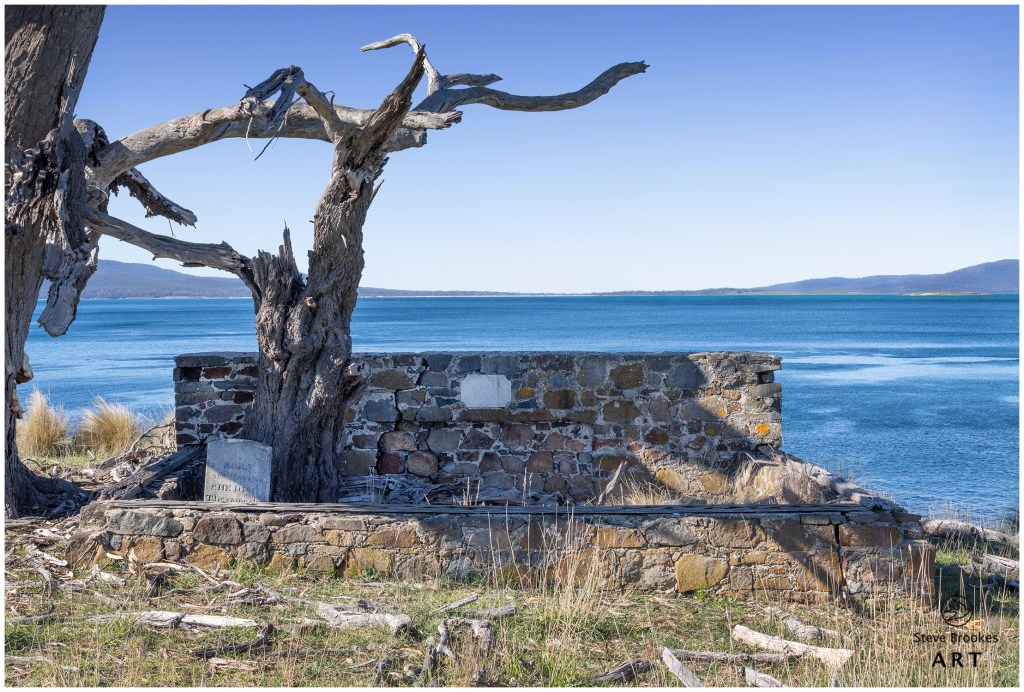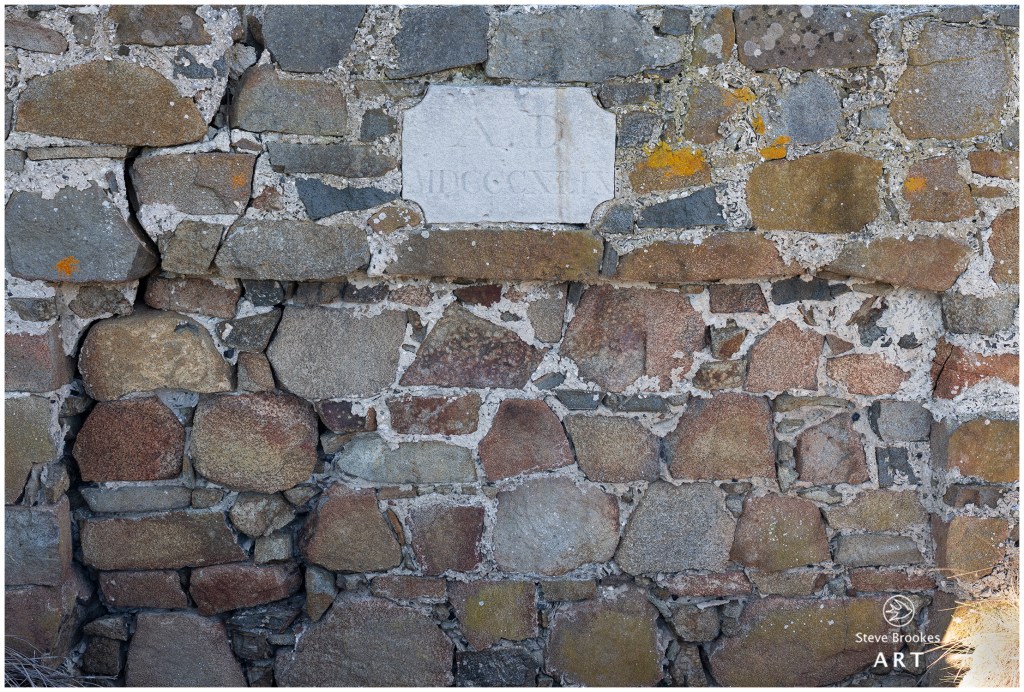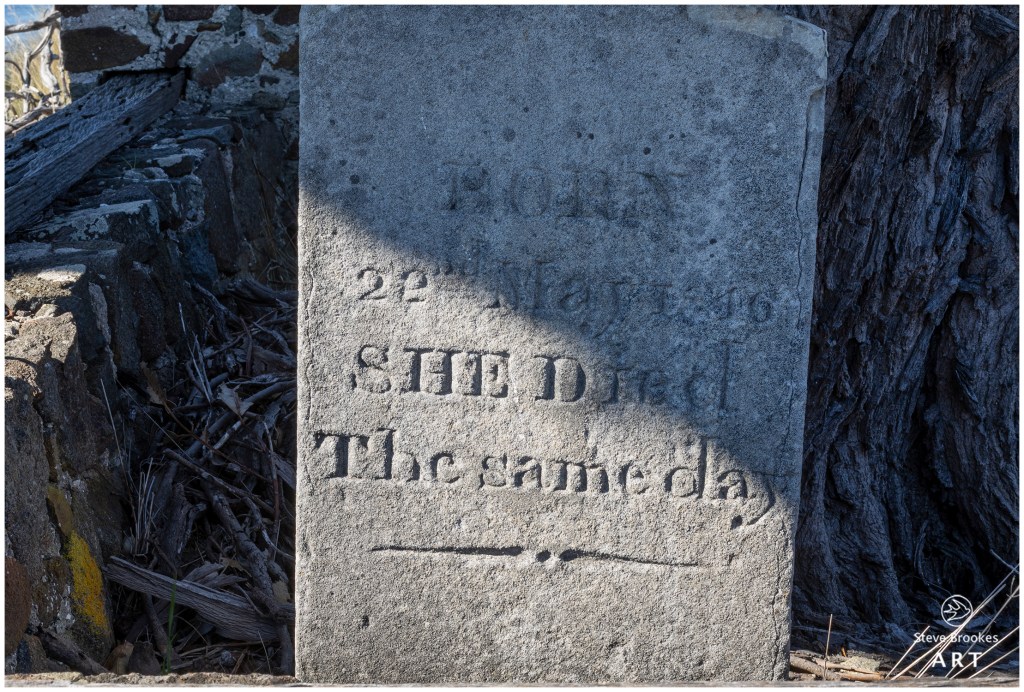
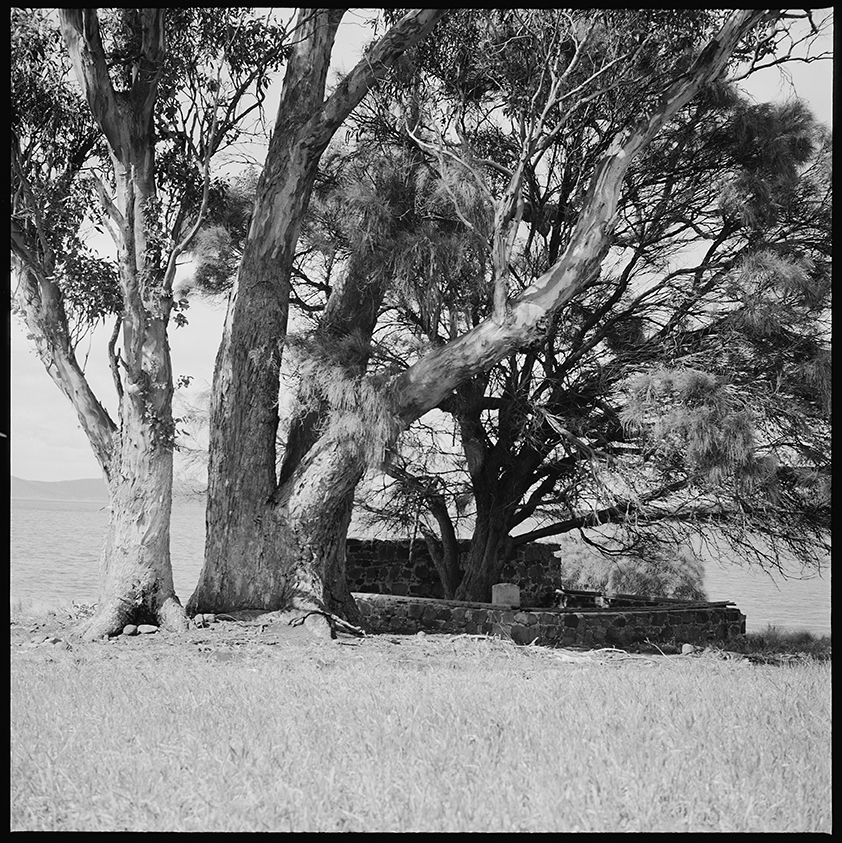
The old black and white photograph of a grave on “Emerald Bay Point” was the start of The Story of Baby Radcliff and is also, in a way, the start of this one. There were a few things that didn’t make a lot of sense in the grave enclosure itself and the land use document I found in the Tasmanian Archives.
First to the document. It’s clear that James Radcliff and Askin Morrison intended that a piece of land be set aside for a grave, not Baby Radcliff’s grave though, a fellow by the name of Thomas O’Donahoo. He was buried somewhere in the Rheban area in 1831, a full 15 years before Baby Radcliff was buried. So, who is this Thomas O’Donahoo and why was he buried there?
The land use document states:
“was buried upon a point of land which being part those of such point of land being situated sixty six chains or thereabouts to the South of a place there called Johnson’s Point”
If you calculate the distance from Johnson’s Point based on the way they would have walked, it comes to the site of Baby Radcliff’s grave – around 1300 metres (66 chains) from Johnson’s Point.
The full land use document including my ‘translation’ is here if you are interested, it’s long and boring though.
There were two things that made me question the walled enclosure of Baby Radcliff’s grave: why was Baby Radcliff’s headstone so far to the corner when it could have been placed in the centre and why is there what appears to be a sort of crypt in the centre of the enclosure that is far too big for a baby.
Things now started to make sense. The most logical conclusion is that Thomas O’Donahoo was buried there first and a wooden fence erected round the grave site. Being so exposed the fence wouldn’t have lasted very long; he was buried in 1831 and Baby Radcliff died in 1846, 15 years and that fence would have been all but gone. So, in 1849 the rock walled enclosure was built round both graves and that’s still standing today.
The area set aside for that one grave as stated in the land use document would cover around 5 acres, which is way more than needed for a single grave. James Radcliff set aside a very large tract of land that could only be used for “tombs”, it seems to indicate he had plans for a larger cemetery but, alas, he never got the chance to put it into practice, except for his own daughter.
Now that I’m satisfied that Thomas O’Donahoo is buried in the same walled enclosure as Baby Radcliff, back to the questions: who was Thomas O’Donahoo and how did he end up at Rheban on Tasmania’s east coast?
Well, here is a brief story about Thomas, brief because for much of his life he lived outside of Tasmania and I don’t have access to the research resources I need (the UK Archives, in comparison to Australia’s, are poor). What I do have, however, is access to a whole lot of information about what happened to the O’Donahoo family in the years after their arrival in Tasmania.
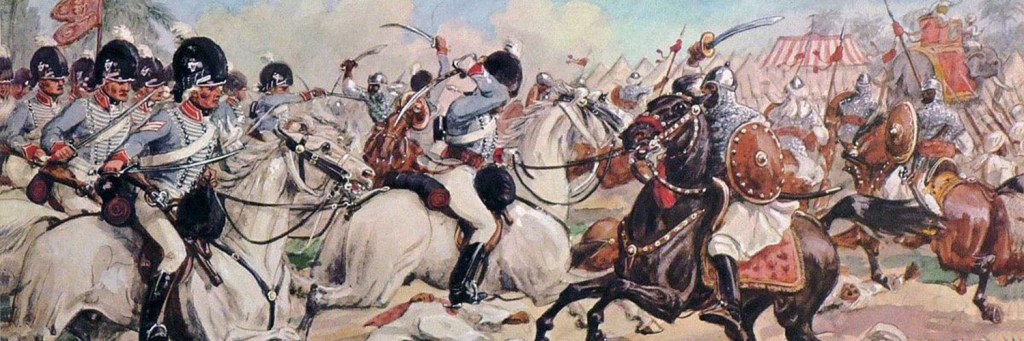
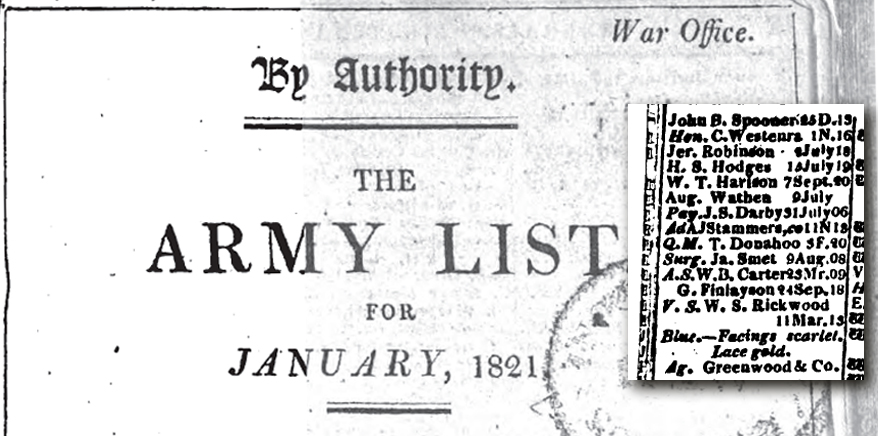
First, let’s look at Thomas O’Donahoo. He was born in Ireland (or England) around 1773 and, from what I can gather, joined the military in his early twenties. He was shipped off to India as part of the 8th Light Dragoons (Hussars) to fight in a bunch of conflicts including the Battle of Laswari. He married Elizabeth Bartley while in India around 1803. Very hard to find any information about his military service in India but I did accidently find his name in the 1821 edition of The Army List and noticed that he was in the same regiment as one Arthur Jay Stammers – more on him later. I did find a record of his request to leave the military and move to Van Dieman’s Land (Tasmania), that was in 1827. It seems he also requested half pay which could be for a number of reasons although I suspect it was due to his impending retirement.
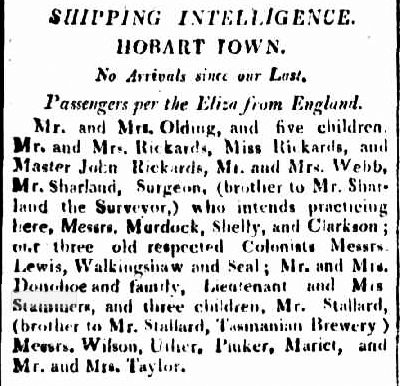
According to The Hobart Town Courier, Thomas and Eliza and the kids arrived in Tasmania in April of 1828 aboard the ship Eliza along with “Lieutenant and Mrs Stammers and three children”. The article also notes that “The Eliza touched at St. Jago, where the tropical fever had proved unusually severe and had carried off many lives”. Arthur Stammers died just two months after arriving in Tasmania, but no cause of death is listed. We do know he was very ill in India before setting off for Tasmania, no indication of what that illness was but it’s possibly related to the “tropical fever” mentioned in the newspaper article. Typhoid Fever and a host of other nasty diseases were quite common in the sub-continent during the 1800s.
We’ll get back to the tragedy of Arthur Stammers a little later, back to the plight of Thomas and Eliza O’Donahoo. Part of the reason ex-military men chose to come to Tasmania was the promise of land. In the 1820s it is fair to say this land grant business was a bit of a mess. Some of it was administered from Sydney and some from Tasmania and until 1827 it seems no one really took too much care to record who exactly had what. Thankfully Thomas arrived with his family in 1828 so it was all sorted out, just kidding, it was still a mess.
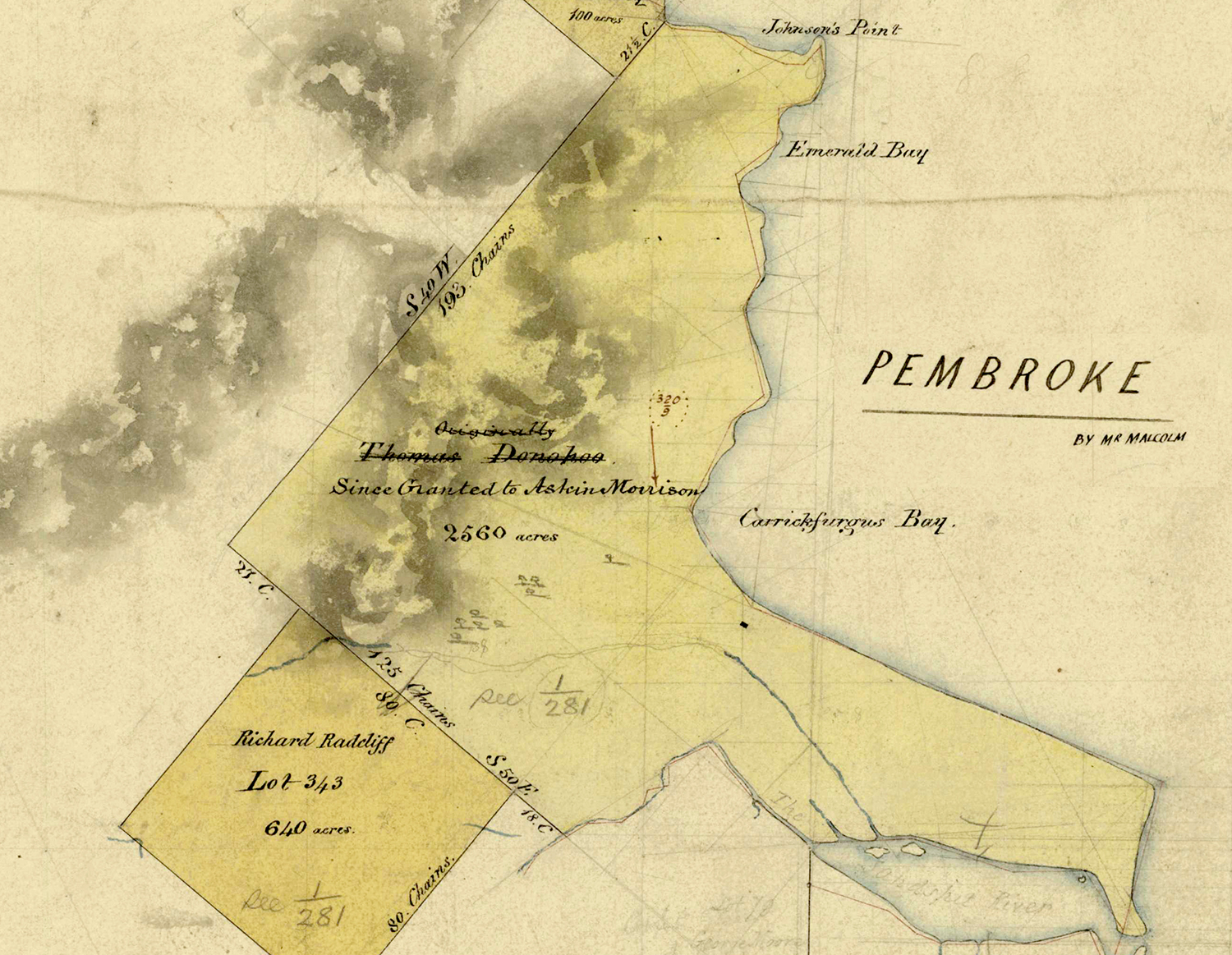
Thomas had all the paperwork sorted and as can be seen from this record he was granted the land in the Sandspit area. Land boundaries were just as messy as everything else and in this case the northern boundary was just “adjoining Captain Glover on the north side of the Sandspit River”. Brilliant, but where is Captain Glover’s land? Regardless of the messiness of the system, he did get his piece of land in one of the most stunningly beautiful parts of Tasmania.
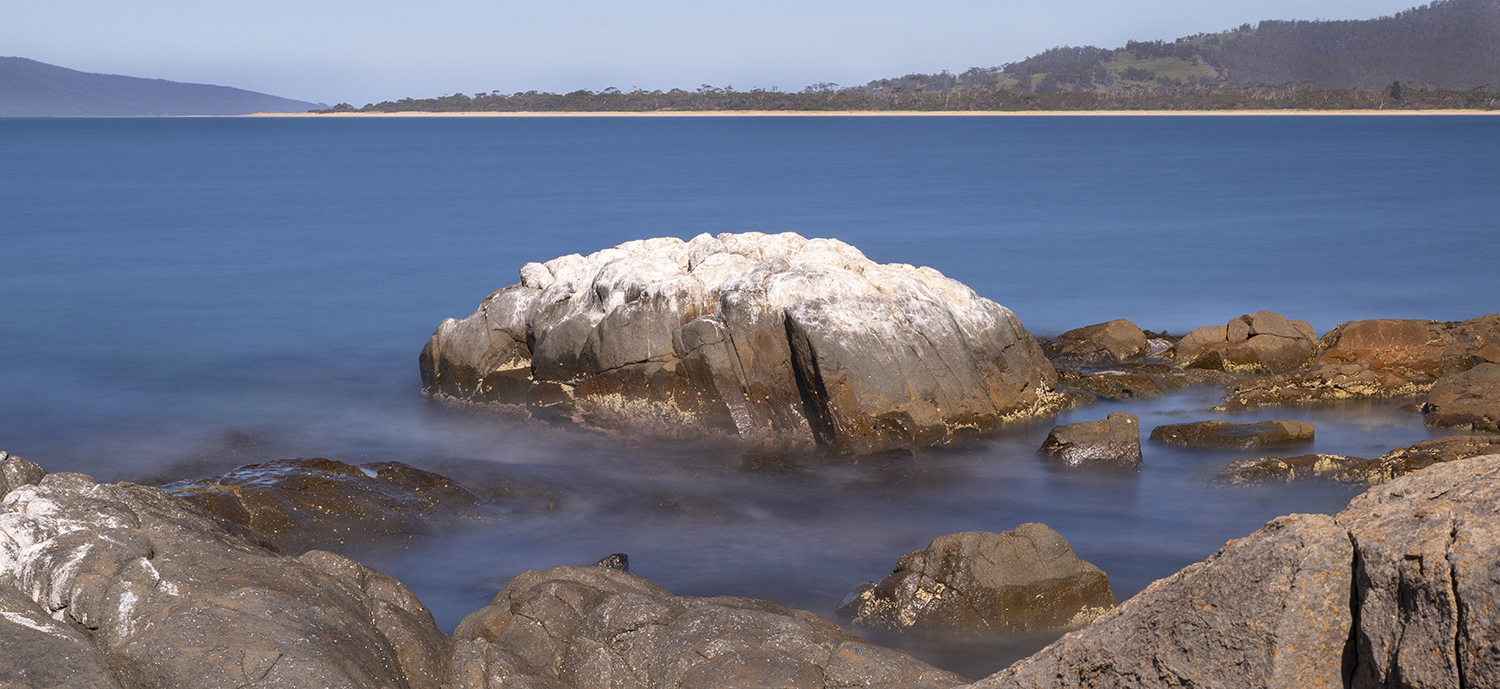
Thomas and Eliza initially lived in Hobart and took over a boarding house in Liverpool Street in 1829 and advertised it as “commodious, spacious, and highly respectable”. From what I can gather Eliza continued to run the boarding house and at some point, Thomas moved to his land grant. He died in August of 1831, his place of abode at time of death was listed as Sandspit which was the descriptive term for all the land south of Orford near the Sandspit River. The question, though, is where, exactly, was he living?
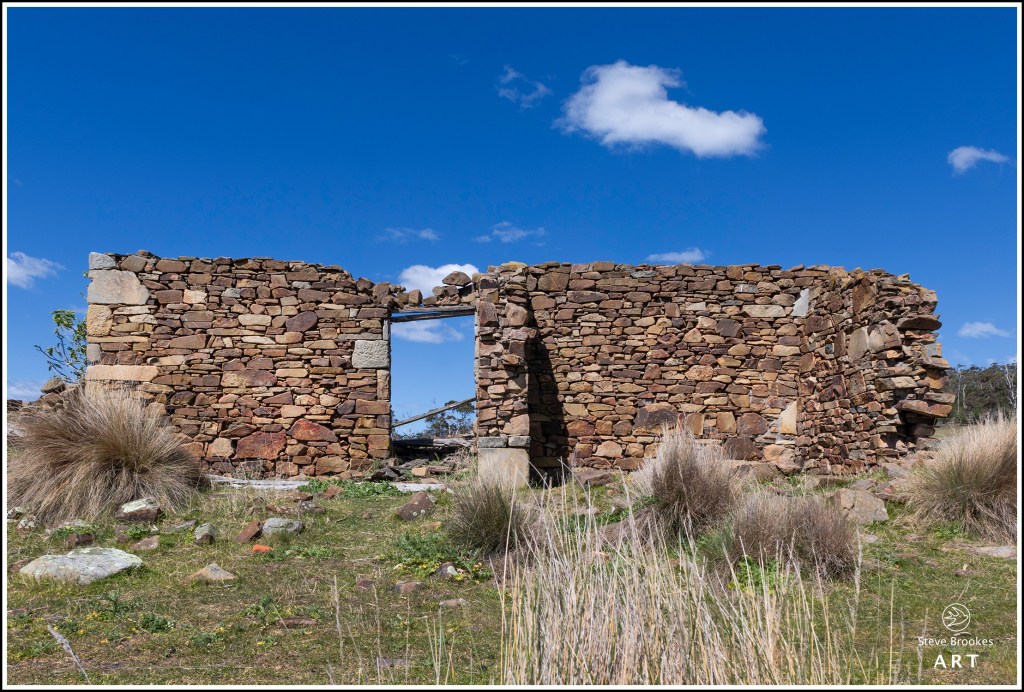
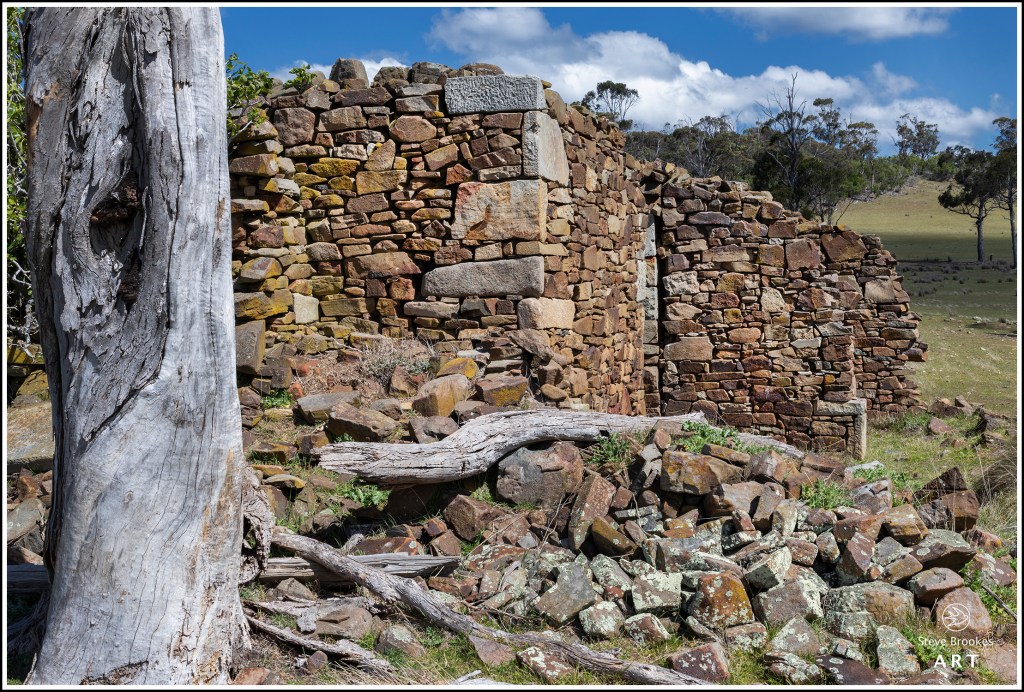
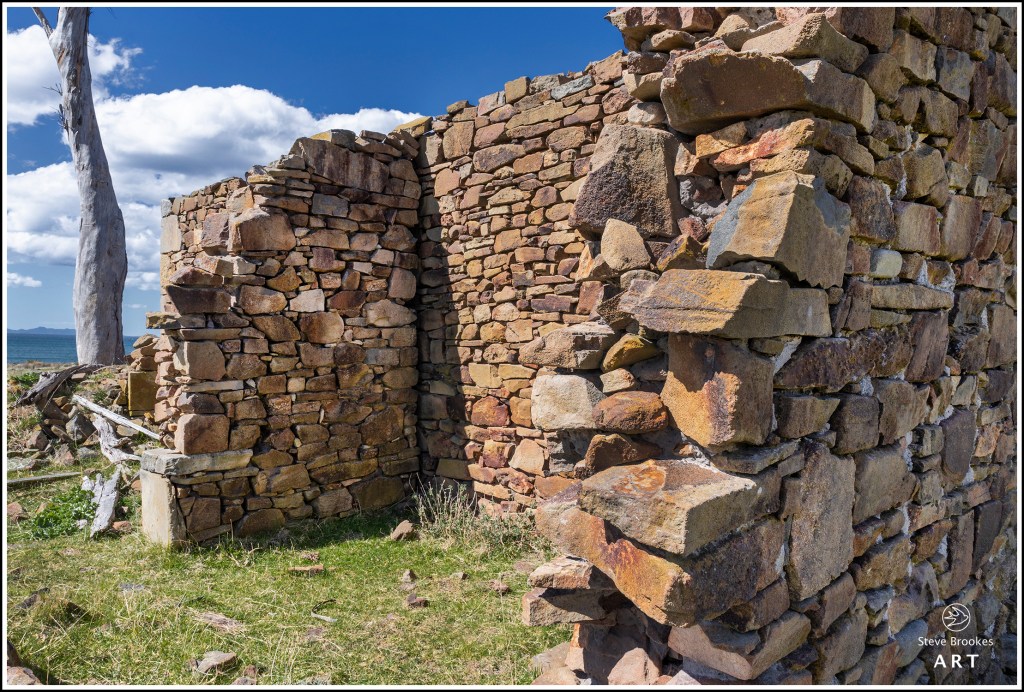
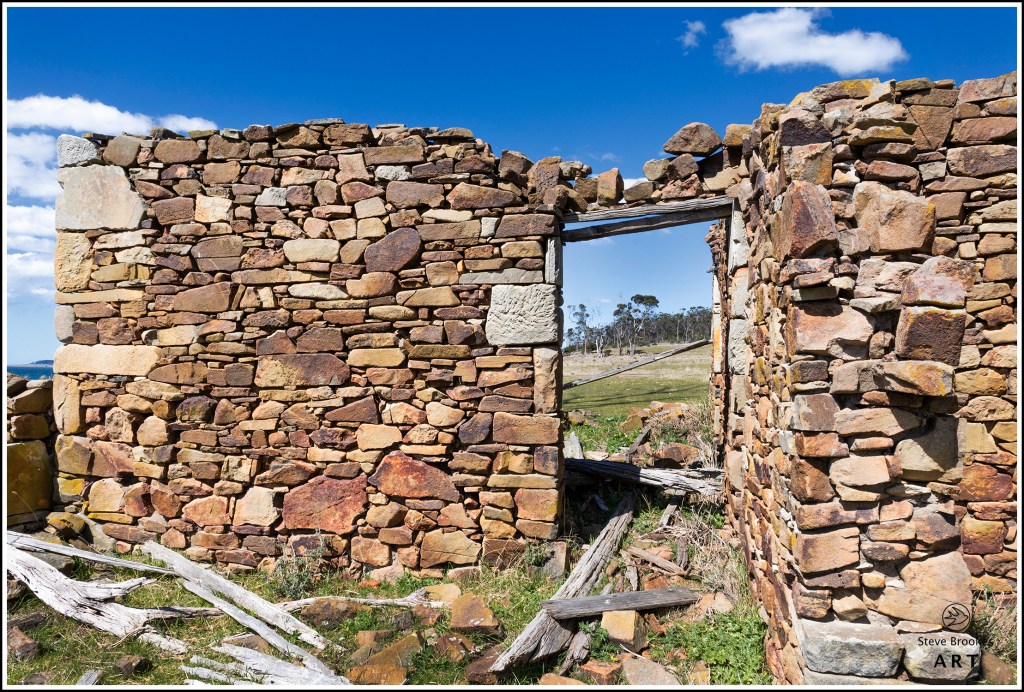
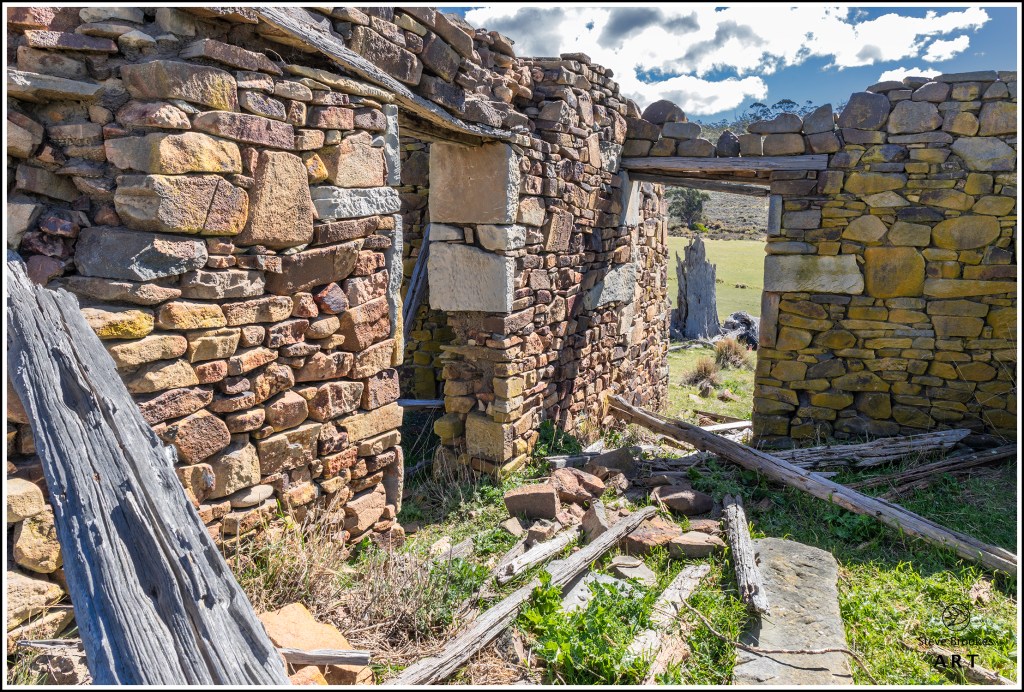
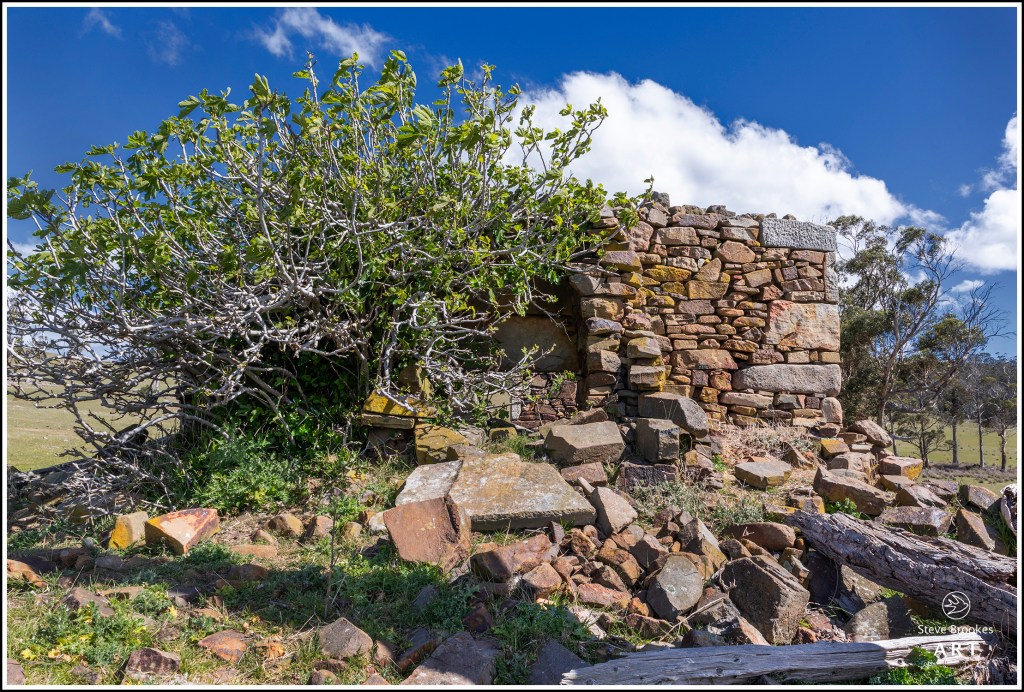
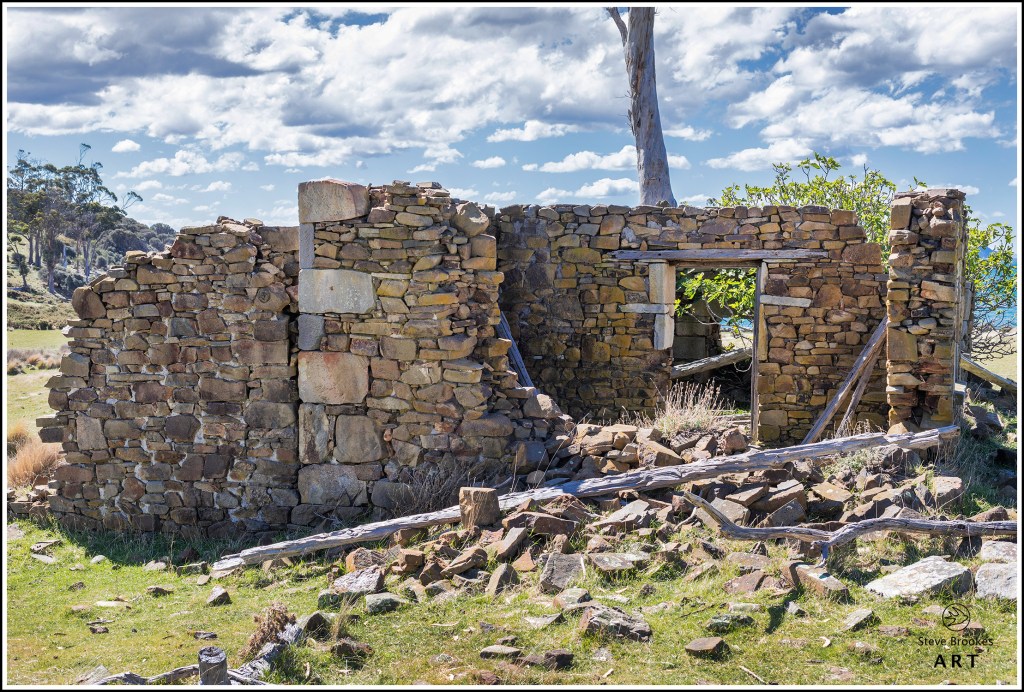
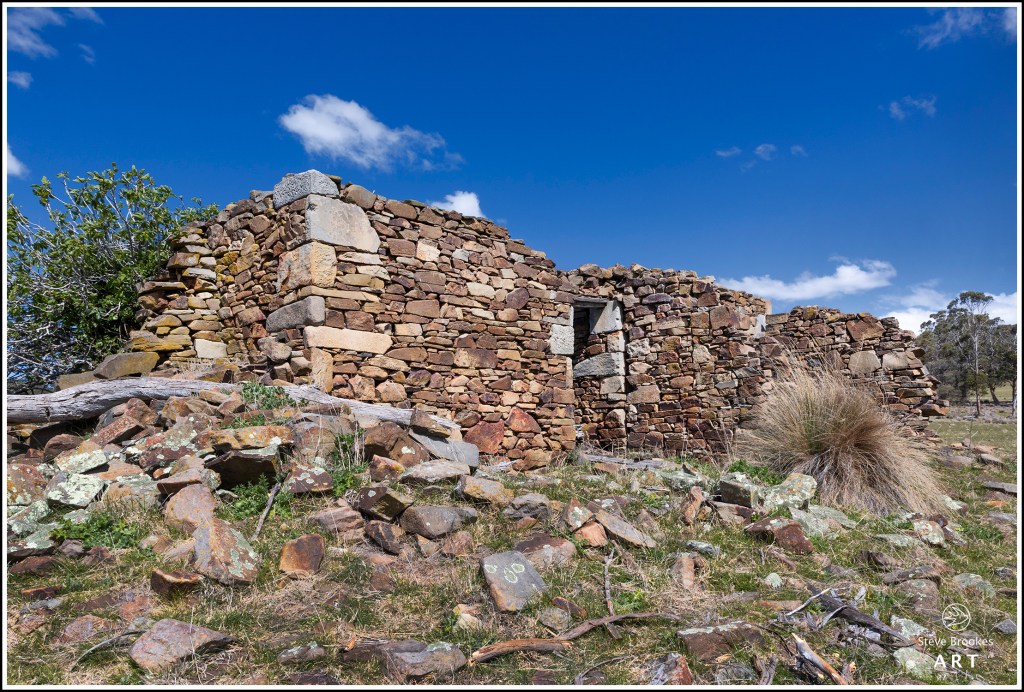
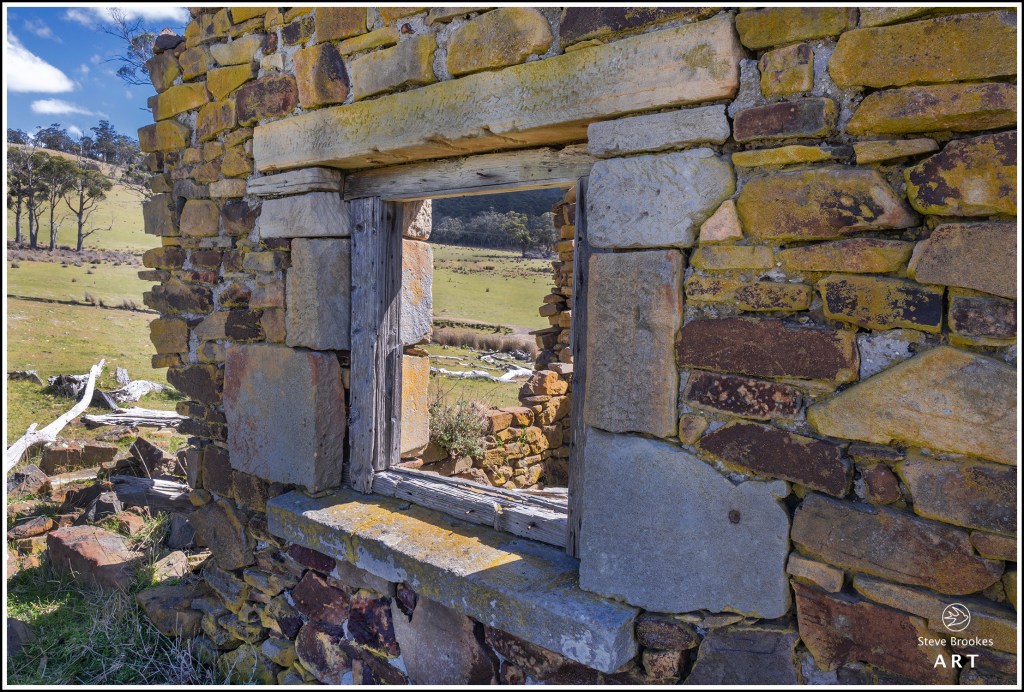
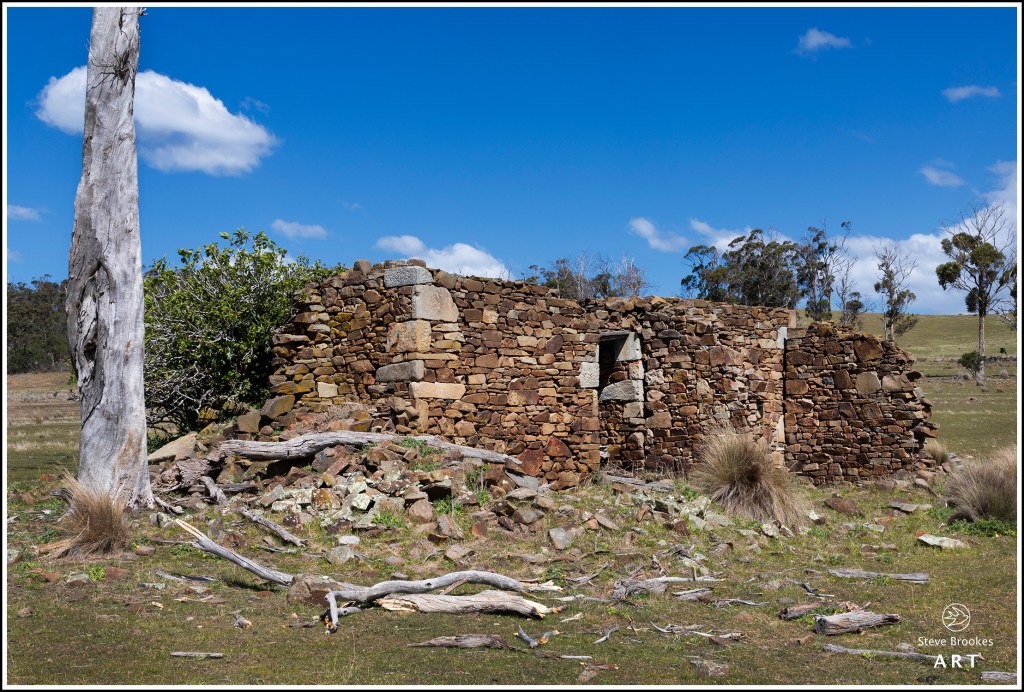
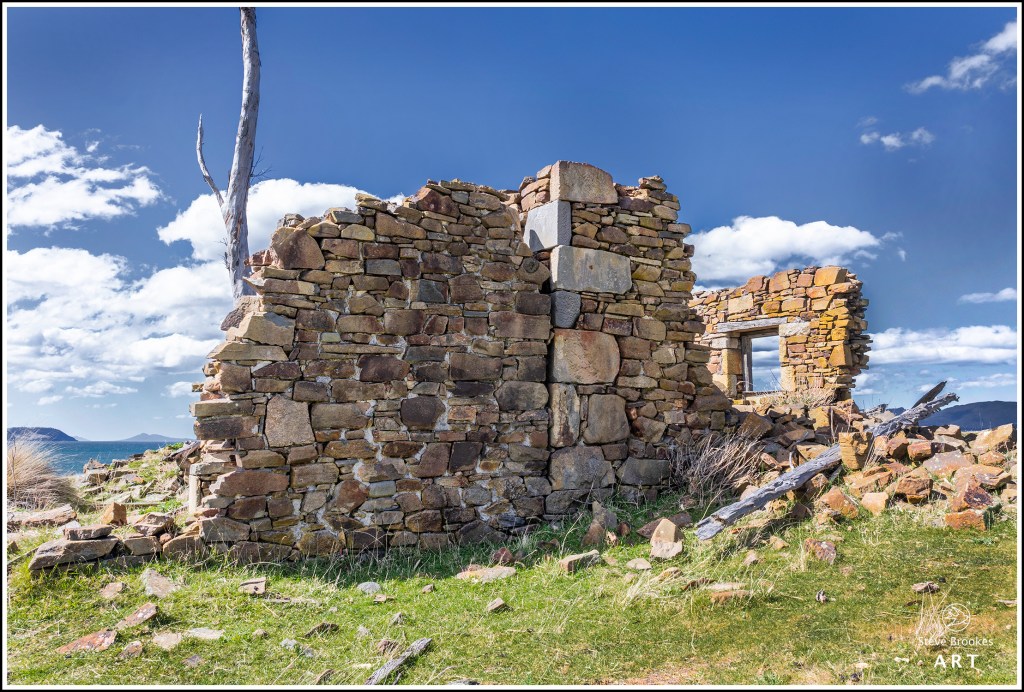
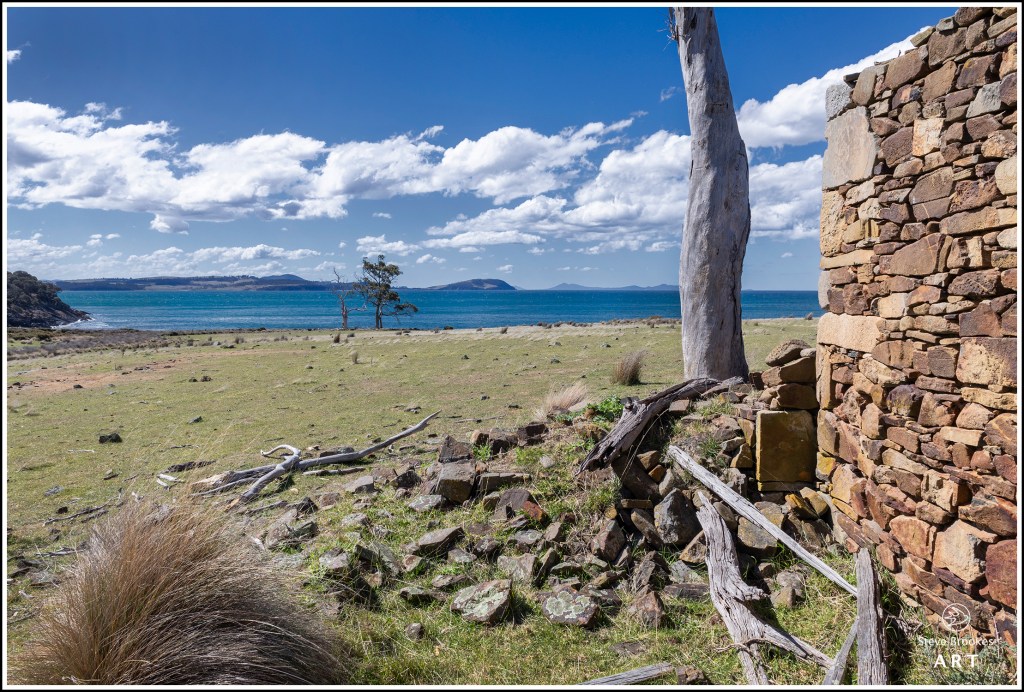
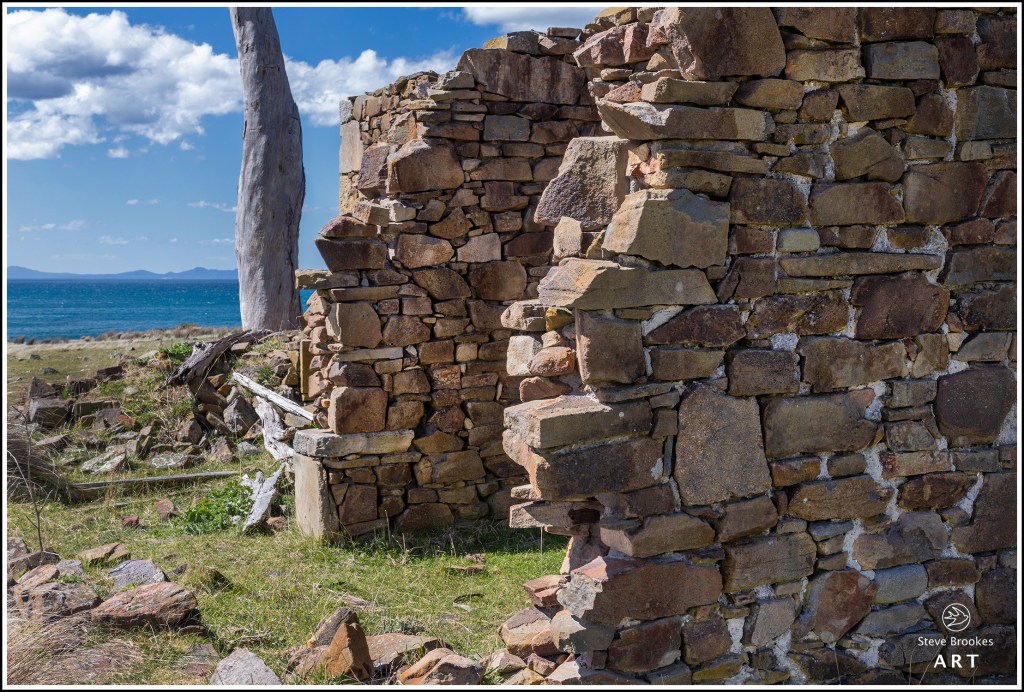
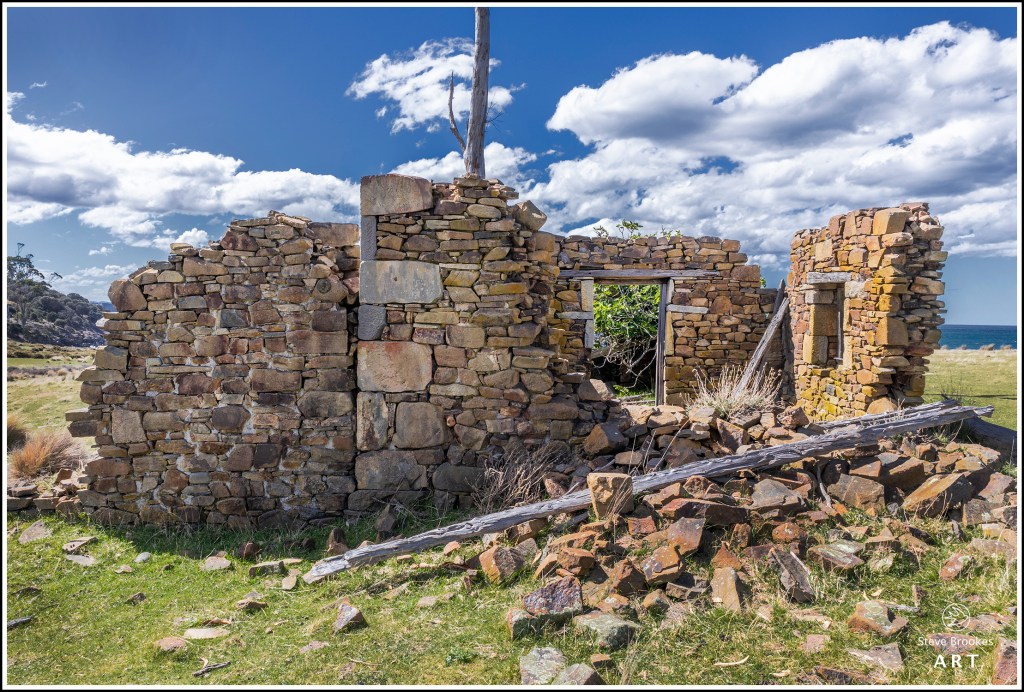
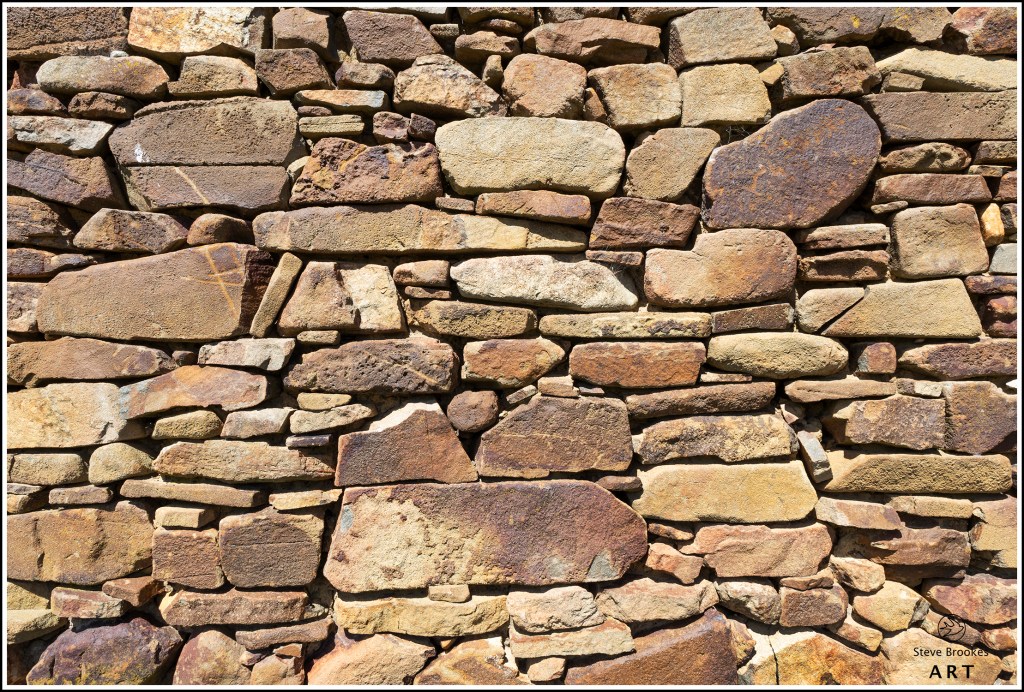
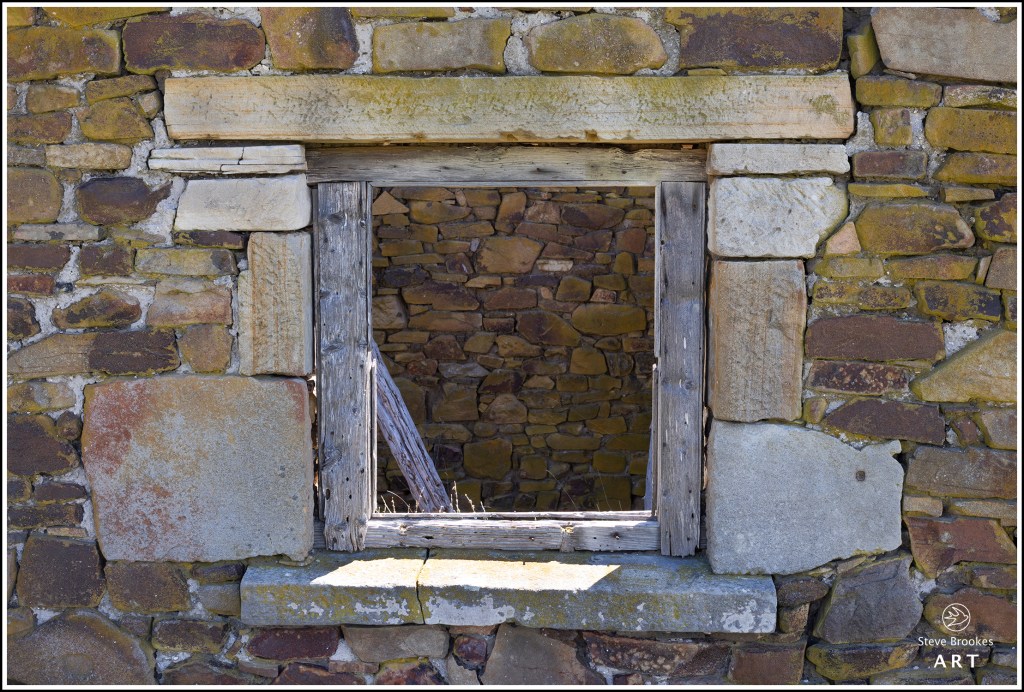
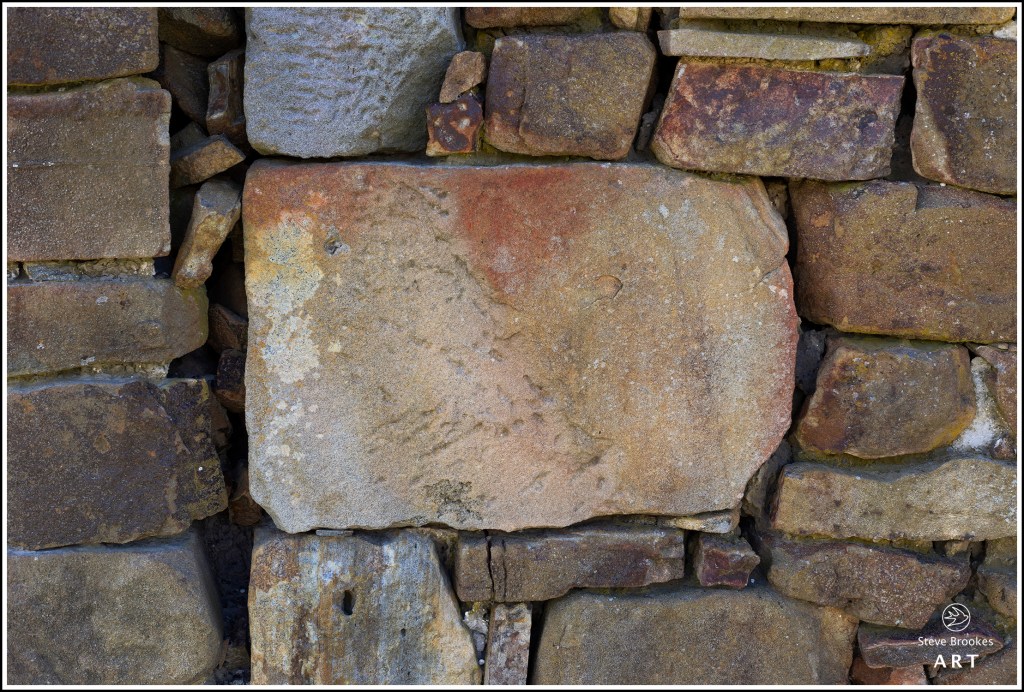
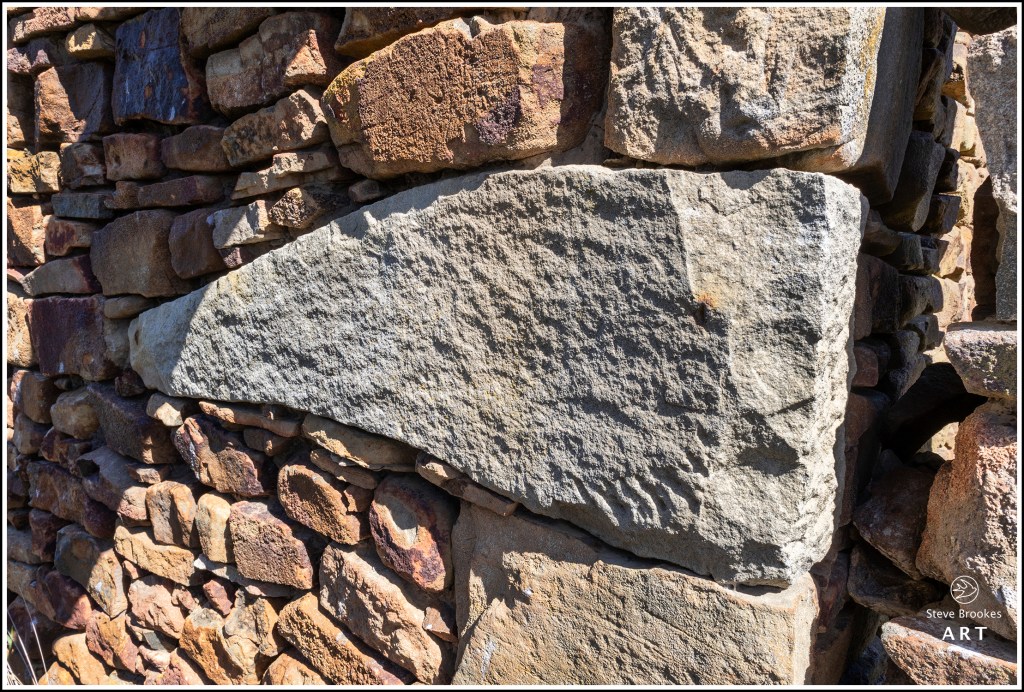
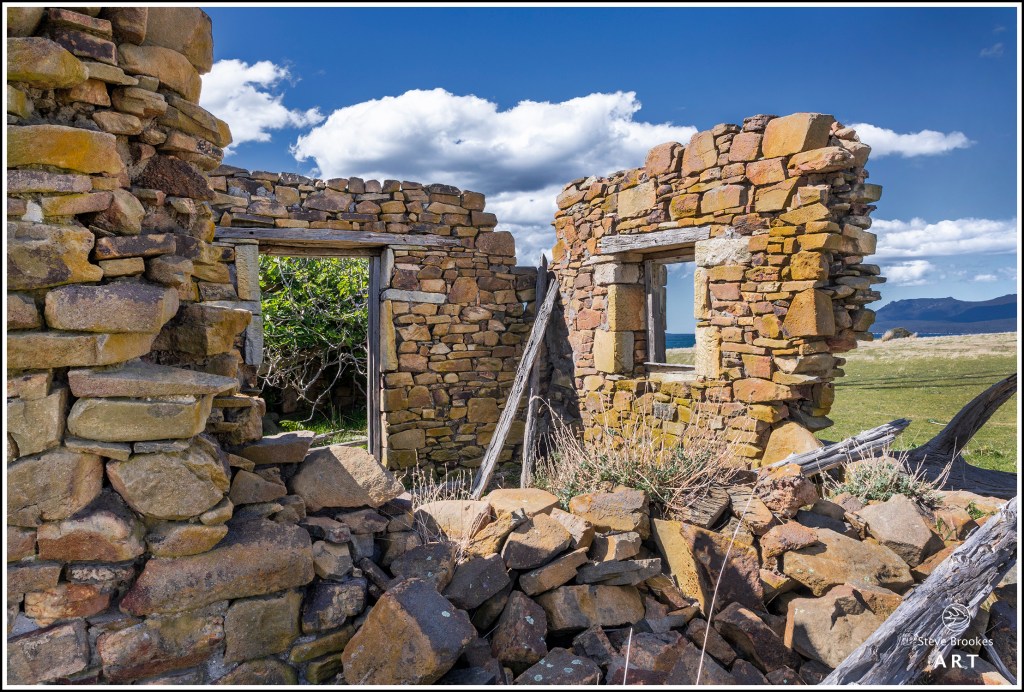
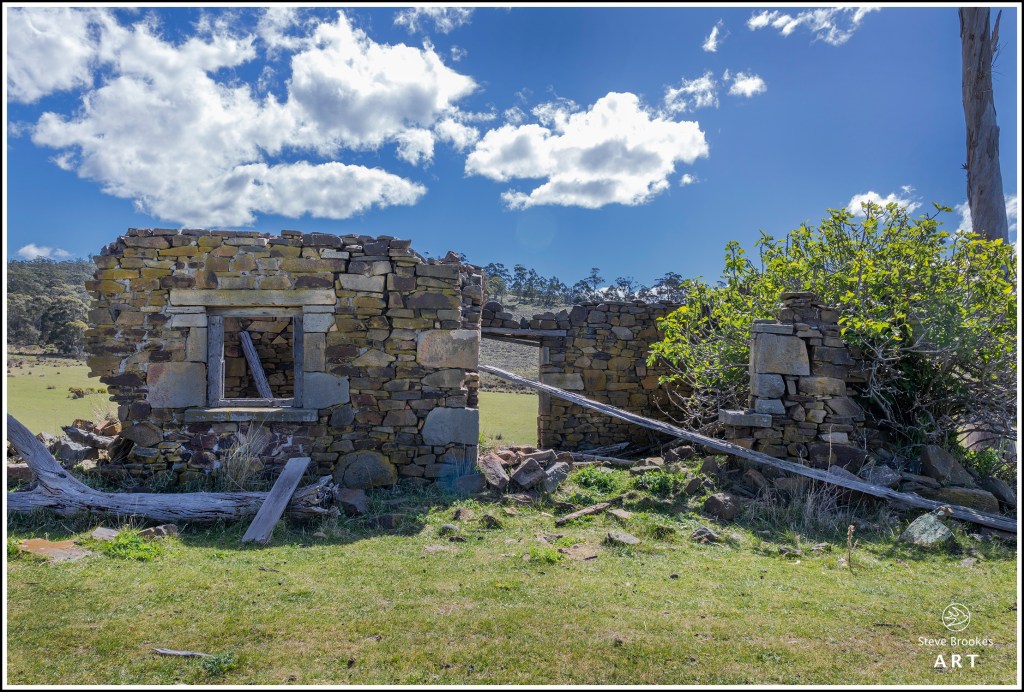
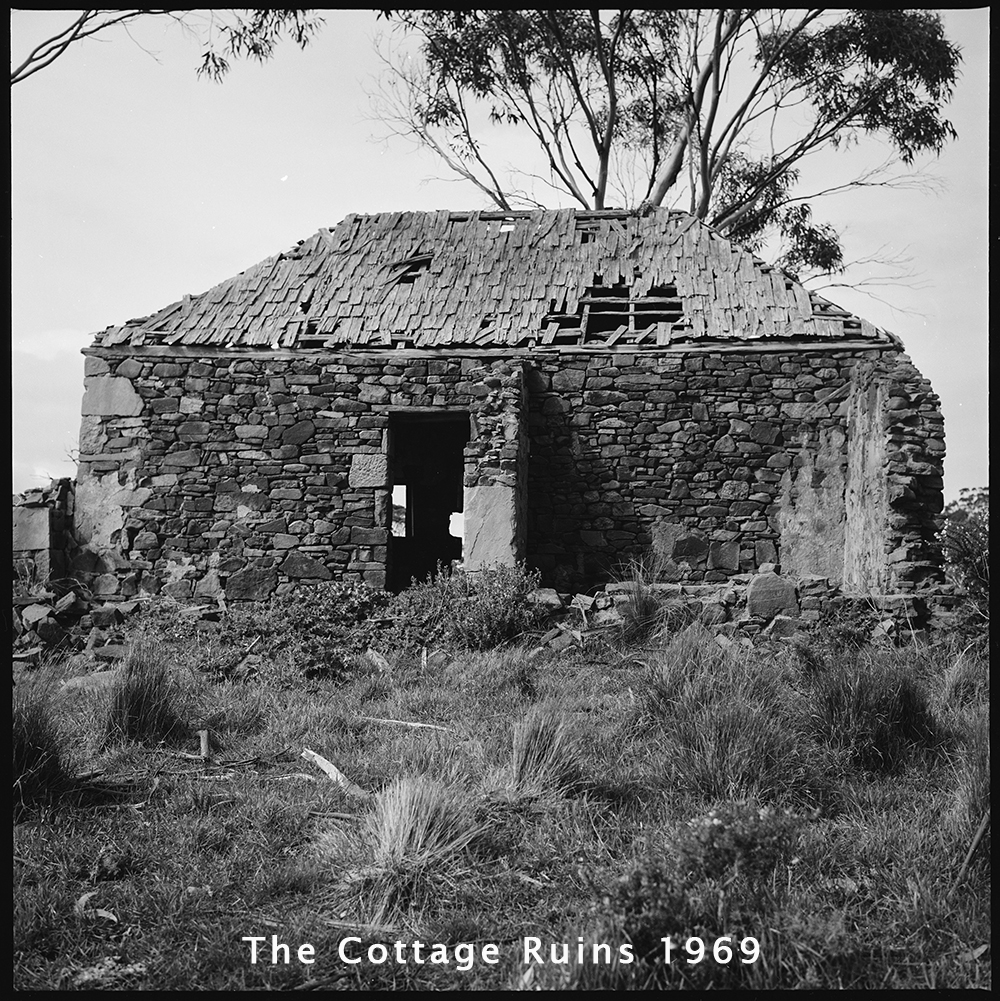
The homestead at Rheban (called Annaroe then) hadn’t even been started and I doubt that he was roughing it in a tent. I’m now almost certain that he lived in what are now the ruins of a cottage to the north of the Rheban property. That cottage was very rudimentary, nothing like the homestead that was to be built overlooking Rheban Beach for the Radcliff’s. The rock walls look to have just been neatly stacked with very little mortar, there is some sandstone and what there is has been rough cut. The timber used wasn’t milled, just stripped Oyster Bay Pine trunks, these trees were common along the coast, still are in some parts. The use of pine is sensible, easy to cut and easy to work unlike the Eucalypts (keep in mind they only had very basic tools). The location of this cottage is also important; it is on the closest part of his land to the Orford township. The only access to the property was via a ‘pig road’, effectively just a bush track. On his death record it notes a chaplain didn’t arrive in time, apparently they gave it 10 days, just couldn’t wait any longer. It gives an idea of just how isolated this area was at the time.
Even though Thomas died his family did get to keep the land grant. Records show that his son Thomas Alexander O’Donahoo sold it to James Radcliff in 1832 for 500 pounds, well, sort of, it gets complicated. So, James Radcliff now owned the Rheban property, or did he? I came across a bunch of very official looking legal documents that are almost impossible to understand. From what I can gather James and his brother Richard Radcliff had some funny loan business going on, they mention mortgages with terms ranging from “five hundred years” to, get this, “one thousand years”. I have no idea what it’s all about but could be the reasons behind the confusing land grants.
Anyway, a map dated 1838 shows that the land grant for Thomas O’Donahoo was transferred to Askin Morrison and I have a copy of a land grant document showing that same parcel of land given to Askin Morrison in 1844. The land use agreement for the grave site I quoted at the start is dated 1844 and lists James Radcliff and Askin Morrison as owners. Then there is a newspaper account of bushrangers trying to shoot their way into the homestead at Annaroe in 1843 but the owner, a fellow called Thomas Harrison, fought them off. He shot and wounded two with a shotgun and another one copped it from a constable’s pistol – he died.
Confused yet?
I said before that this whole land grant business was a mess but was it more than that? Looking in to how the ‘system’ worked it seems that the more money and connections you had the more land you got. There were supposed to be caveats on all this, like, you had to take on some convicts as slaves and just feed them (which, I guess, saved the government having to keep them). You also had to cultivate or build or improve the land within a set period of time but records show that it was never enforced. Same for the annual fee you allegedly had to pay, most didn’t.
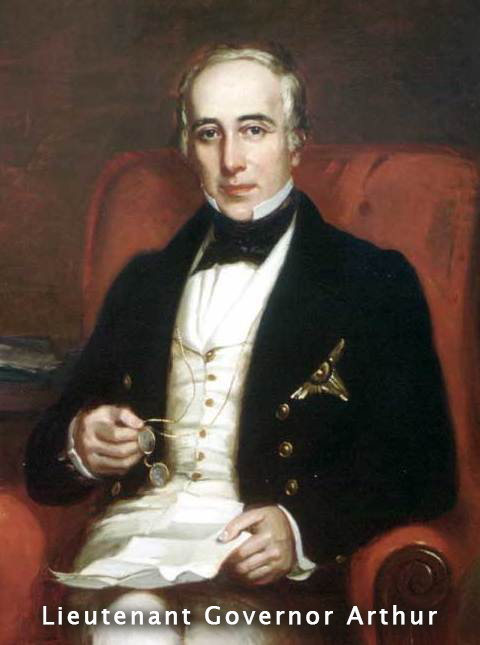
When you look at how much land was given to just a few men it would be easy to label it all as base corruption, but in the early 1800s Tasmania would have been very like Britain. The Lieutenant Governor had absolute authority, they were the king or queen’s representative and if you had money, you had power and you could get whatever, in your mind, you were entitled to. To quote Robyn, who has the Hobart History page, “a system carefully designed to serve the interests of capital over labour, the powerful over the ordinary, and the Crown over everyone”. She has an excellent article regarding the Land Grant System, well worth a read.
So, poor Thomas has died and his son has sold the land, it would be nice to finish the story here and say the rest of the family lived happily ever after. Remember Lieutenant Arthur Stammers, we need to talk about him.
As already mentioned, he died just a couple of months after arriving in Tasmania but what about his wife and kids. It is clear that Thomas O’Donahoo and Arthur Stammers were good mates; they were in the same regiment in India for years. When Arthur’s first wife died in 1821, he married Thomas and Eliza’s daughter Mary Ann who was just 14 years old at the time. This was quite legal, unusual, but legal.
Now, Arthur was entitled to a land grant just like Thomas but he inconveniently died before he had filled the paperwork out. After thirty years fighting for king and country surely that land grant would pass to his wife and the three kids – good one. Thomas and Eliza took care of Mary Ann and the children – then Thomas died.
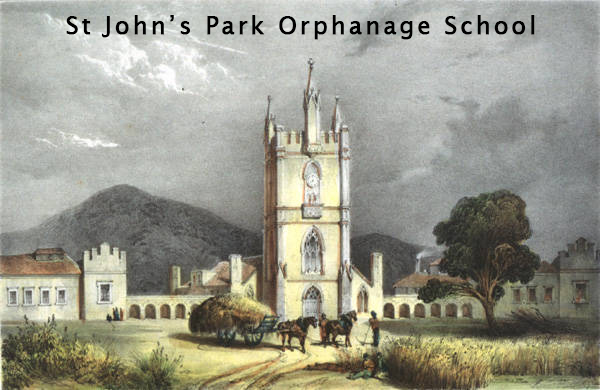
What does a woman do to support her kids in 1830s Tasmania, Mary Ann had no income, no assets, no hope. The best plan was to re-marry and this is what she did in 1831, to a gentleman by the name of Horatio Nelson Rowcroft (seriously, that was his name). The marriage was arranged with the agreement that there would be no kids. So, what do you do with three unwanted kids, well in 1832 poor young Thomas, John and Elizabeth were sent to the St John’s Park Orphanage School in Hobart. This is a copy of the letter sent by Eliza O’Donahoo in the same year to “The King’s Most Excellent Majesty” (that would be Lieutenant Governor Arthur) effectively begging for help. Eliza, their grandmother, had made the decision that she would care for the children until they reached the age of twenty-one, I can’t find any evidence she received a positive response.
Eliza was established in Hobart and as well as running the boarding house was raising the three kids. She would have had some income from Thomas’ military pension and she did have several slaves, I mean convicts, to help out. One of the maids was caught stealing sugar from the pantry and her excuse was that all they had to eat was a loaf of bread per day between five servants – ungrateful wretch.
Horatio Nelson Rowcroft didn’t give up on poor Arthur Stammers’ land grant though, he went after it himself. In his first letter he said it was all for the good of the orphaned children, he may have had good intentions although subsequent letters (there were a lot of them) seem to indicate he was in some financial difficulty and that land grant would have come in very handy. He was a prolific letter writer but they are hard to read, that Eton education of his should have taught him how to write, some of the letters are almost impossible to decipher. Anyway, the dozens of demanding letters didn’t do him any good, he never got the land and ended up moving interstate.
So, what happened to the poor orphaned children of Arthur and Mary Ann Stammers?
Well, Thomas (the eldest) tragically died at just 19 years of age of consumption (tuberculosis) in 1843, he was working as a clerk at the Colonial Treasury. Just a few months later his grandmother Eliza O’Donahoo died from “debility” which in the 1800s could mean any number of ‘wasting’ type diseases, most probably it was also tuberculosis.
John married a girl called Emma in 1859, moved to Victoria where he worked for a time in the goldfields before deciding that was a stupid idea and had 5 kids instead. He turned to farming (much better idea) and he remained married to Emma until his death in 1897.
Elizabeth moved back to England at some stage and married an older gentleman named Thomas Ewing in 1874 when she was around 48 years old and, from what I can find, had no children of her own.
After all that kerfuffle the land was eventually bought by someone who knew something about farming and it is still a working farm today. Interestingly, it was recently bought by John Kelly whose great great grandfather was a convict on Maria Island, which is just across the bay from Rheban. Such a great connection to have but I can’t help thinking how horrified those ‘great’ men of the past would be to know that their land is now owned by a descendant of a convict.
Note: The Rheban property is a working farm, so don’t go traipsing all over it – plus, there are lots of cows and a couple of rather large bulls (always best avoided). Enjoy the beach at Rheban though, it is a great spot for families and kids, lots of shells and the rocks along the northern end are pretty good for diving. The southern end of the beach toward the Sandspit Lagoon is a wildlife sanctuary and has been since 1928, top spot if you are into bird photography.
A print friendly version of The O’Donahoo Saga is available below:
Below is a gallery of photos of the cottage ruins taken in 2026, click on the thumbnail to view a larger image.